Sun Yat-sen’s Political Legacy: A Tragic Blueprint for Chinese Democracy
The legacy of Sun Yat-sen now belongs to rival political narratives, precisely because his framework left room for reinterpretation, writes Meng Kit Tang.
Meng Kit Tang offers a reflective examination of Chiang Kai-shek’s impossible choices in a collapsing republic. Caught between Confucian virtue and the cold logic of survival, he repeatedly faced decisions in which the defence of principle demanded acts that violated it.
Zhou Enlai, Mao’s long-serving premier, was neither pure loyalist nor hidden liberal. He was a pragmatist who kept Mao’s China afloat—balancing ideology with survival through famine, revolution, and Cold War isolation.
As Hong Kong Studies has emerged as a distinct genre of its own, a new project and publication seeks to reframe Hong Kong’s past using recently released archival sources.
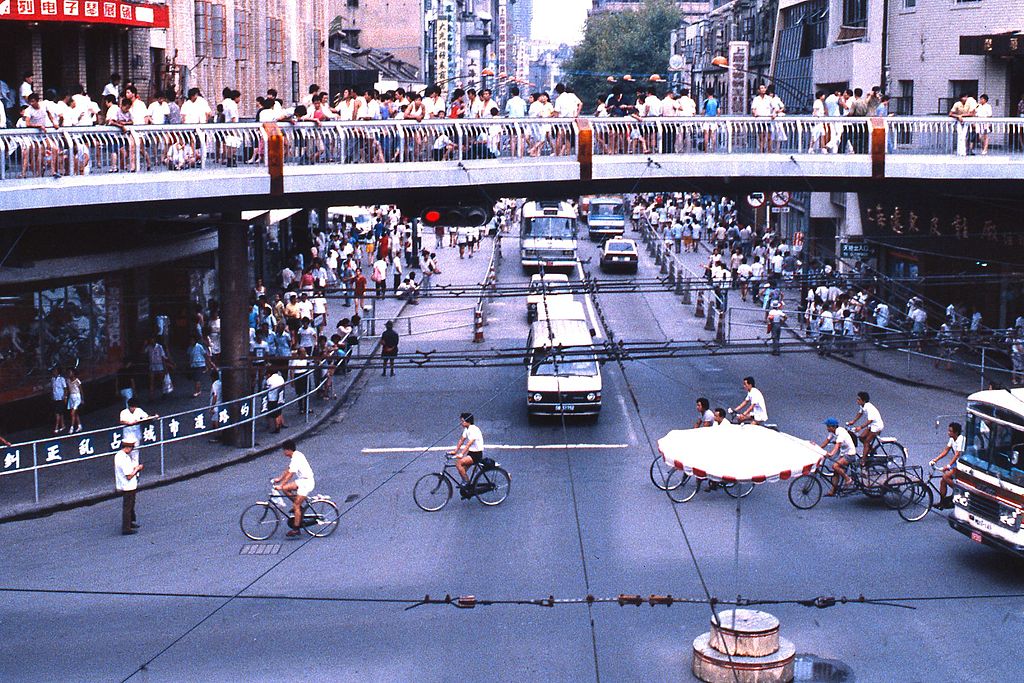
John Gittings shares some memories of China collected over a quarter of a century and comments on visual images being no more immune from ambiguities than written words are.
Florence Mok examines the history of water supply and water crises in colonial Hong Kong.
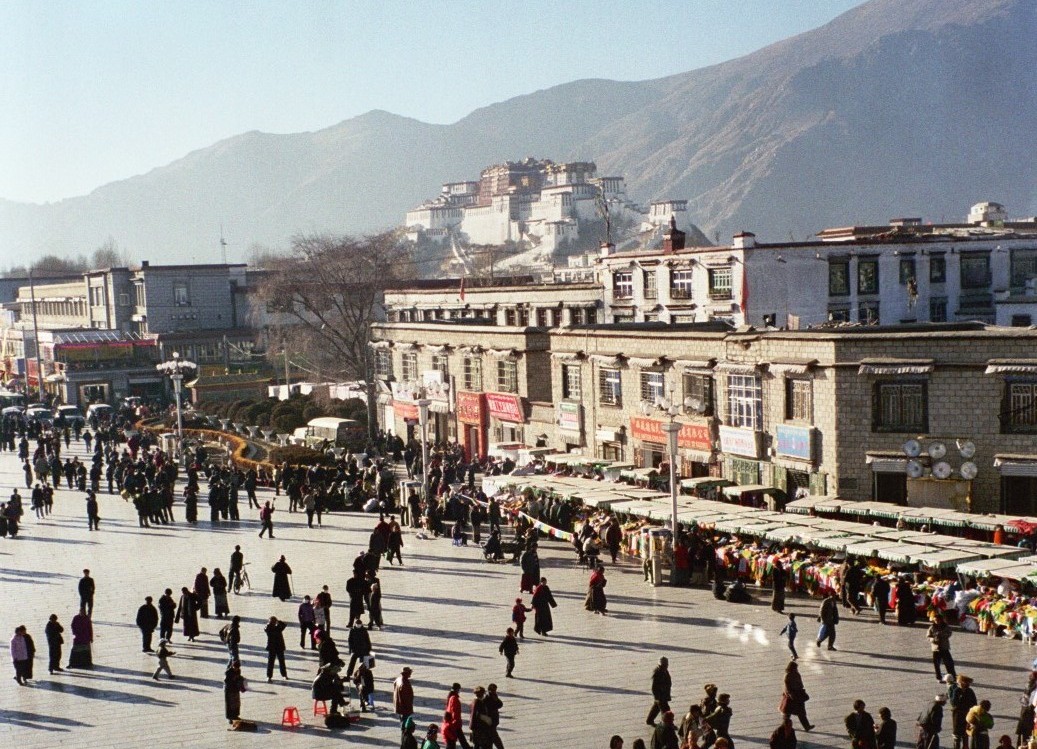
Robert Barnett & Franz Xaver Erhard comment on their project, Divergent Discourses, an international, collaborative UK-German research study of the PRC-Tibet conflict that began in the 1950s and led to nearly two decades of armed conflict.
Zizhu Wang comments on Henry Kissinger’s relationship with China, reflecting in particular on his 2013 visit to Shanghai.

Professor Shane McCausland shares his expert opinion on the mystery of an ancient seal from the collection of the German-British businessman and banker Ferdinand Nassau Schiller.
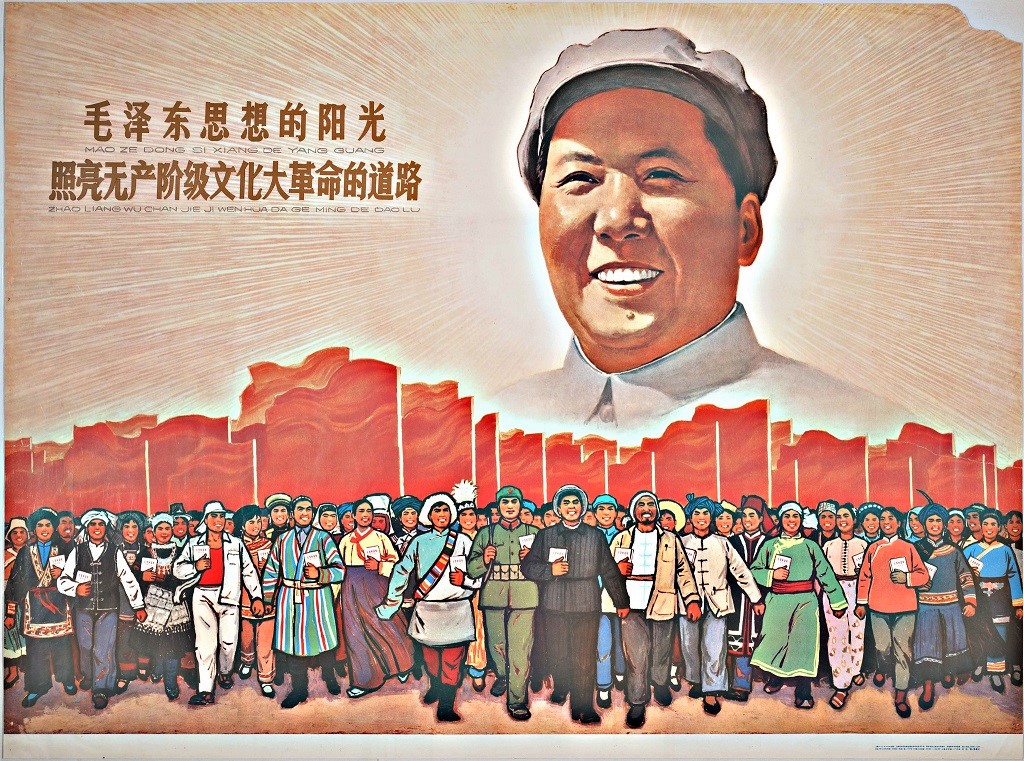
Kristian Shanks writes about the teaching of China’s modern history in British schools.