Shifting Sands: Unpacking the Divergence in China’s Real Estate Market
Xiaowen Zhang, Jack Burnham and Ye Xue comment on state-owned enterprises and China’s troubled real estate sector.


Xiaowen Zhang, Jack Burnham and Ye Xue comment on state-owned enterprises and China’s troubled real estate sector.

Janu Du writes that the concentration of industries in FTZs can result in a reallocation of productivity, potentially leading to the “hollowing out” effect in existing industries, which can have a beggar-thy-neighbour effect on regional growth.
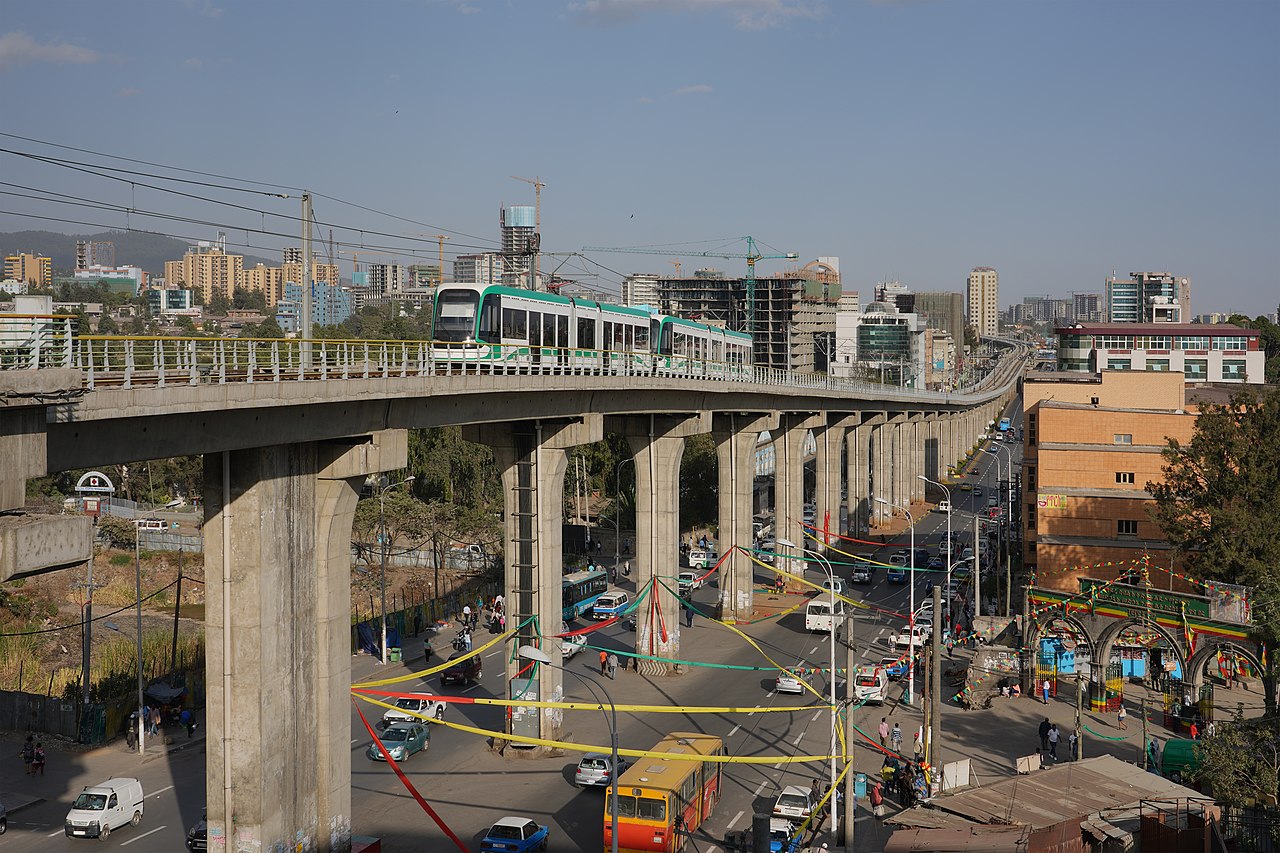
Common perceptions about Chinese engagement in Africa are that it is one-dimensional and sometimes biased. But Chinese private investments in Ethiopia are highly diverse, fluid and complex, writes Weiwei Chen.
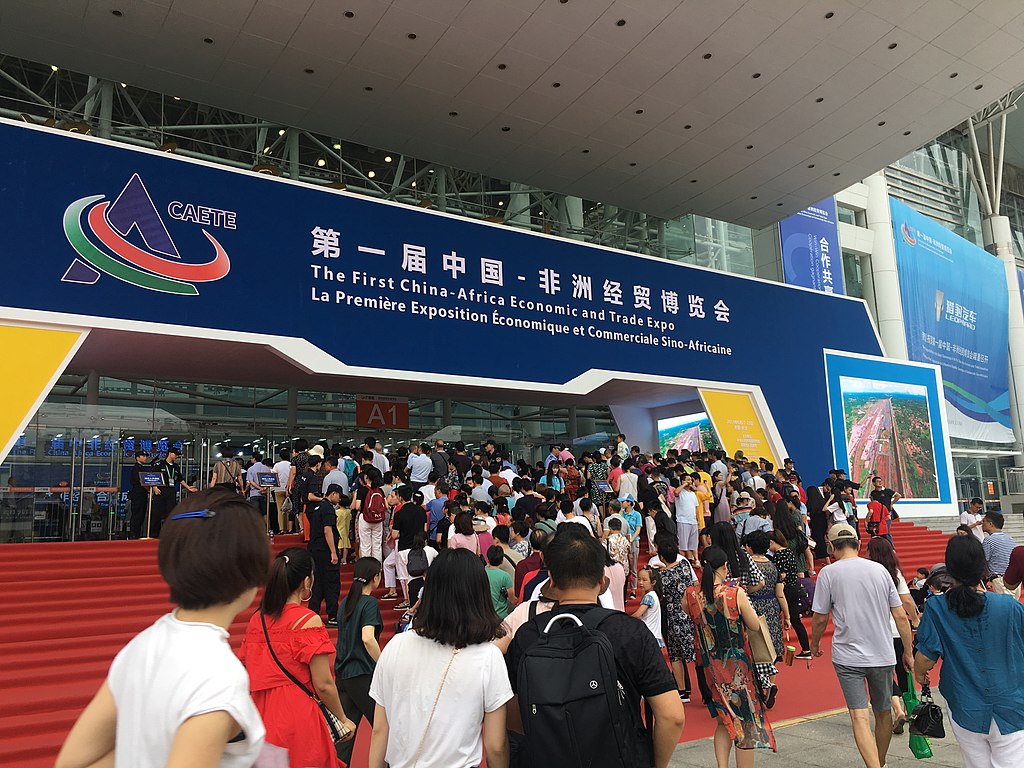
Anzetse Were writes that the narrative on Africa-China relations is driven by the global north and has been persistently one-dimensional, often failing to centre Africa’s views or even China’s views.
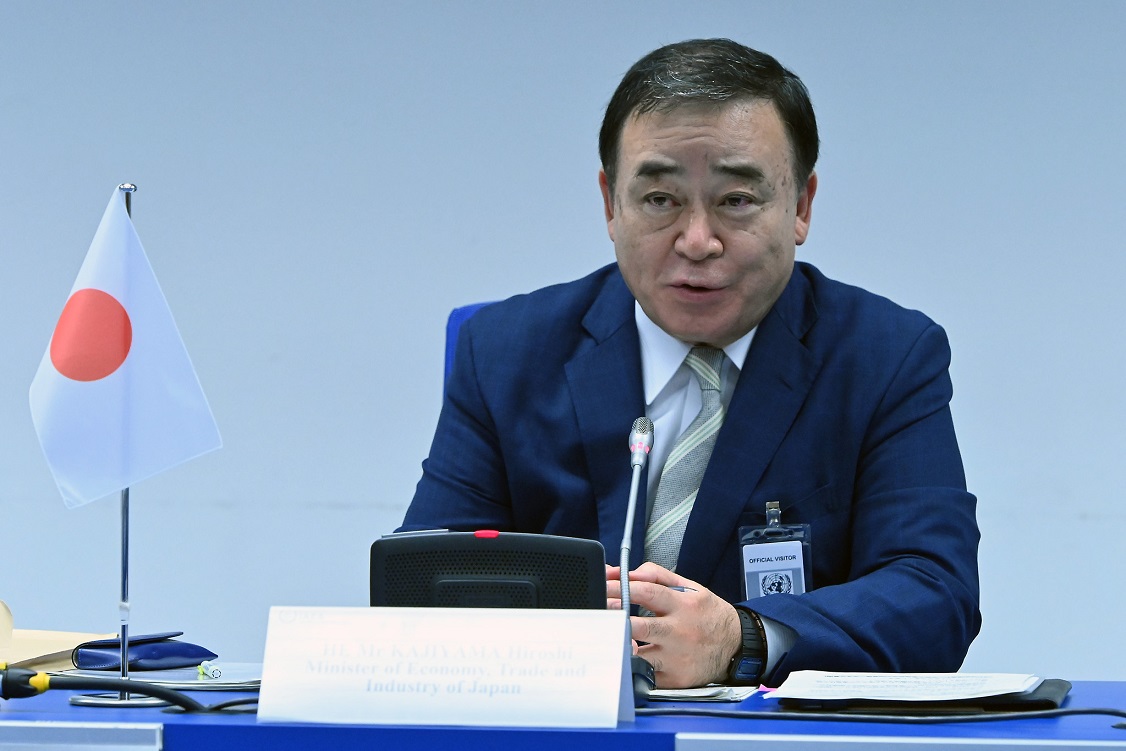
China’s rising economy and fierce competition with Japan in the Asian product and capital markets make it less likely that Japan will open its domestic market freely to Chinese goods, argues Dr Jane Du.
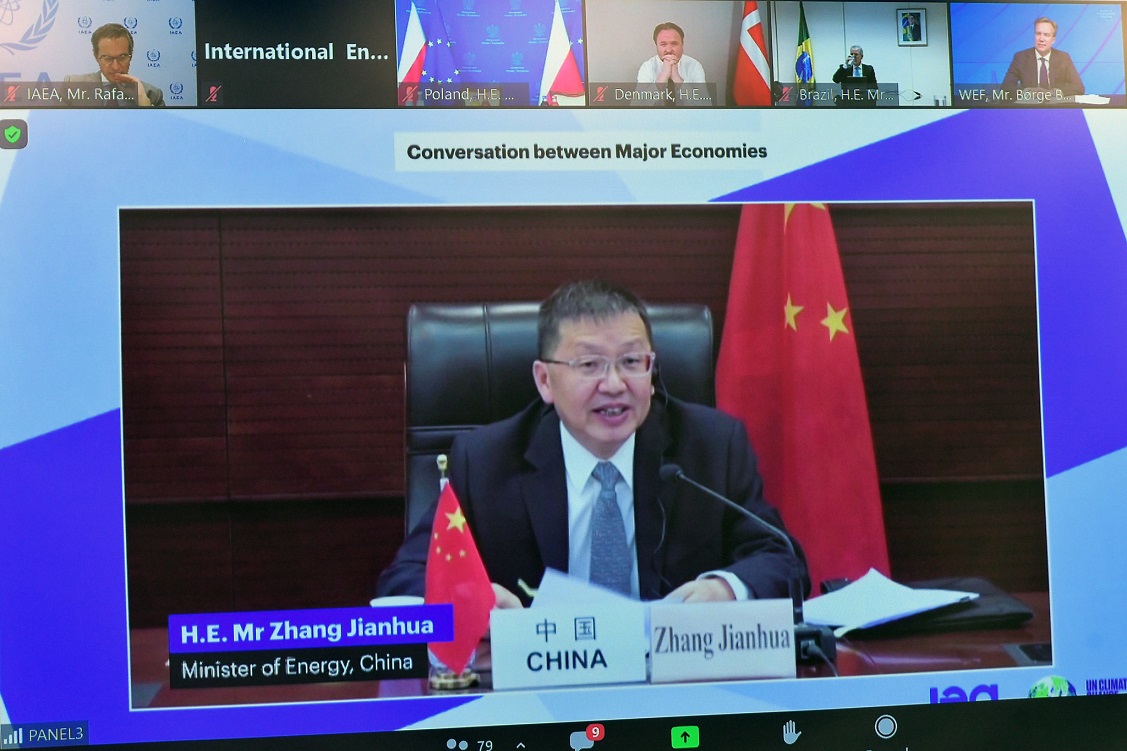
Henry K. H. Wang writes about China’s long term plans to transition from fossil fuels towards green renewables for its energy needs.
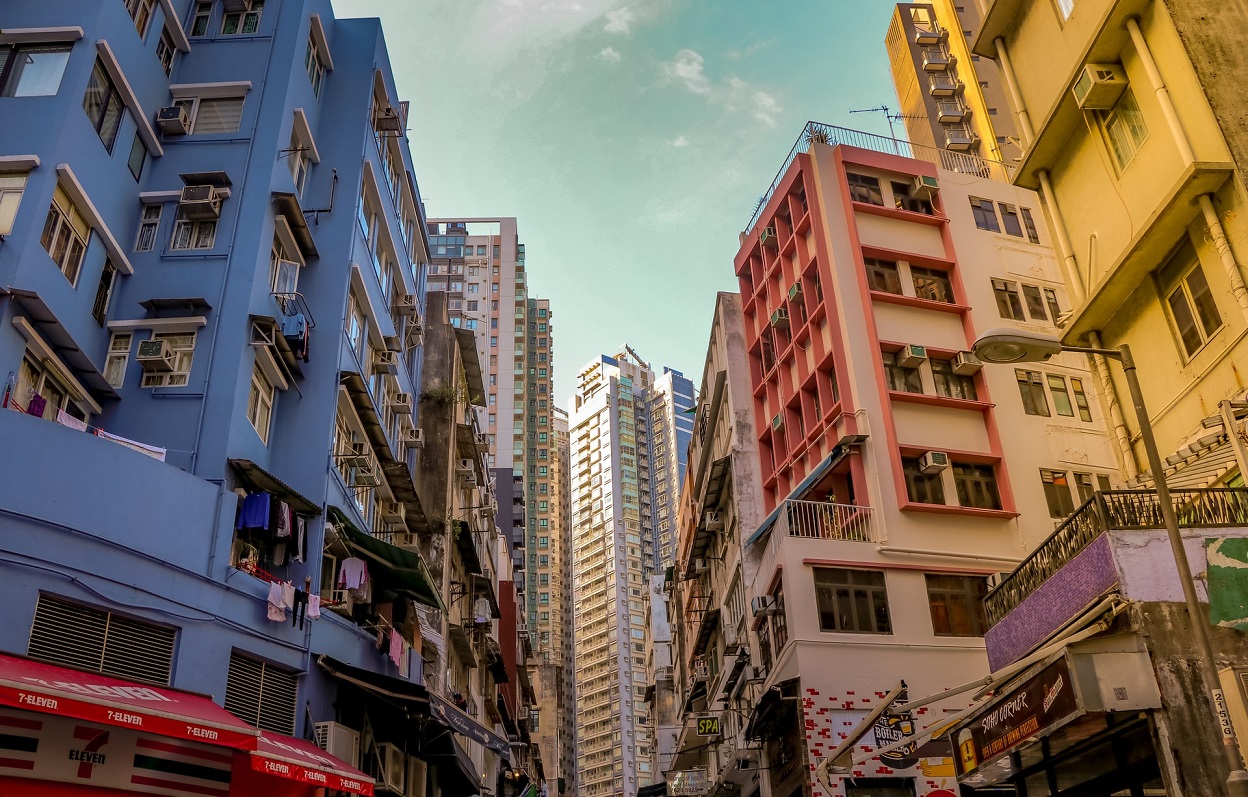
Dr Jane Du comments on models for public housing and the major shortages of Hong Kong’s housing sector.
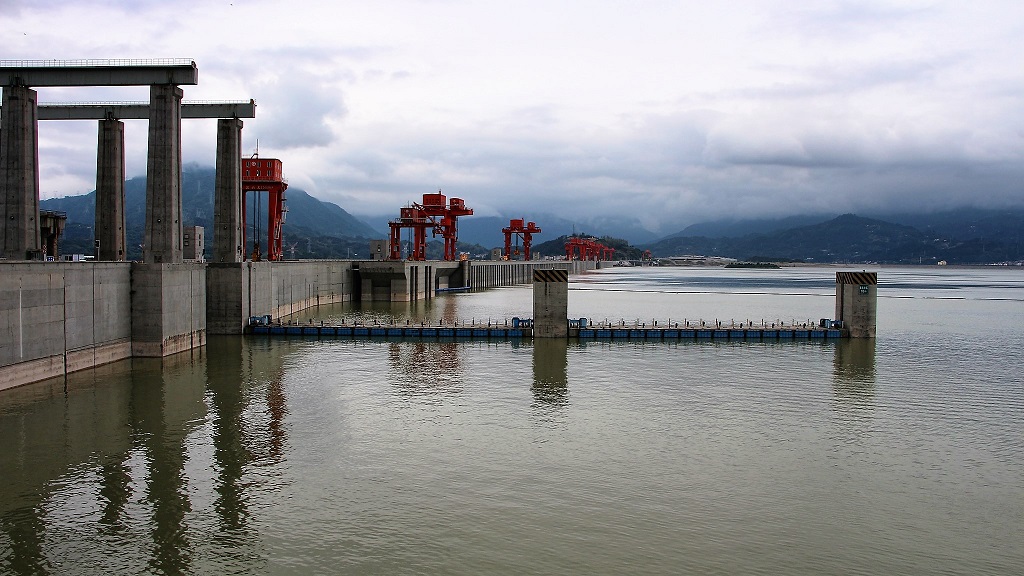
A new book by Seungho Lee investigates water resources management and policy in China over the last two decades.

George Magnus reflects on whether the crackdown on private firms and entrepreneurs is a compulsive political campaign leading China down an economic path it would not otherwise choose.

Turing its back on reform and opening up for a highly centralised and controlled totalitarian system may prove to be the deepest of all flaws in China’s aspirational economic model, writes George Magnus.